Sensory processing
Children who seek movement constantly, or who avoid noise, textures, grooming and food. Work focuses on helping the nervous system organise input so the child can stay regulated and available for learning.
Dubai, United Arab Emirates
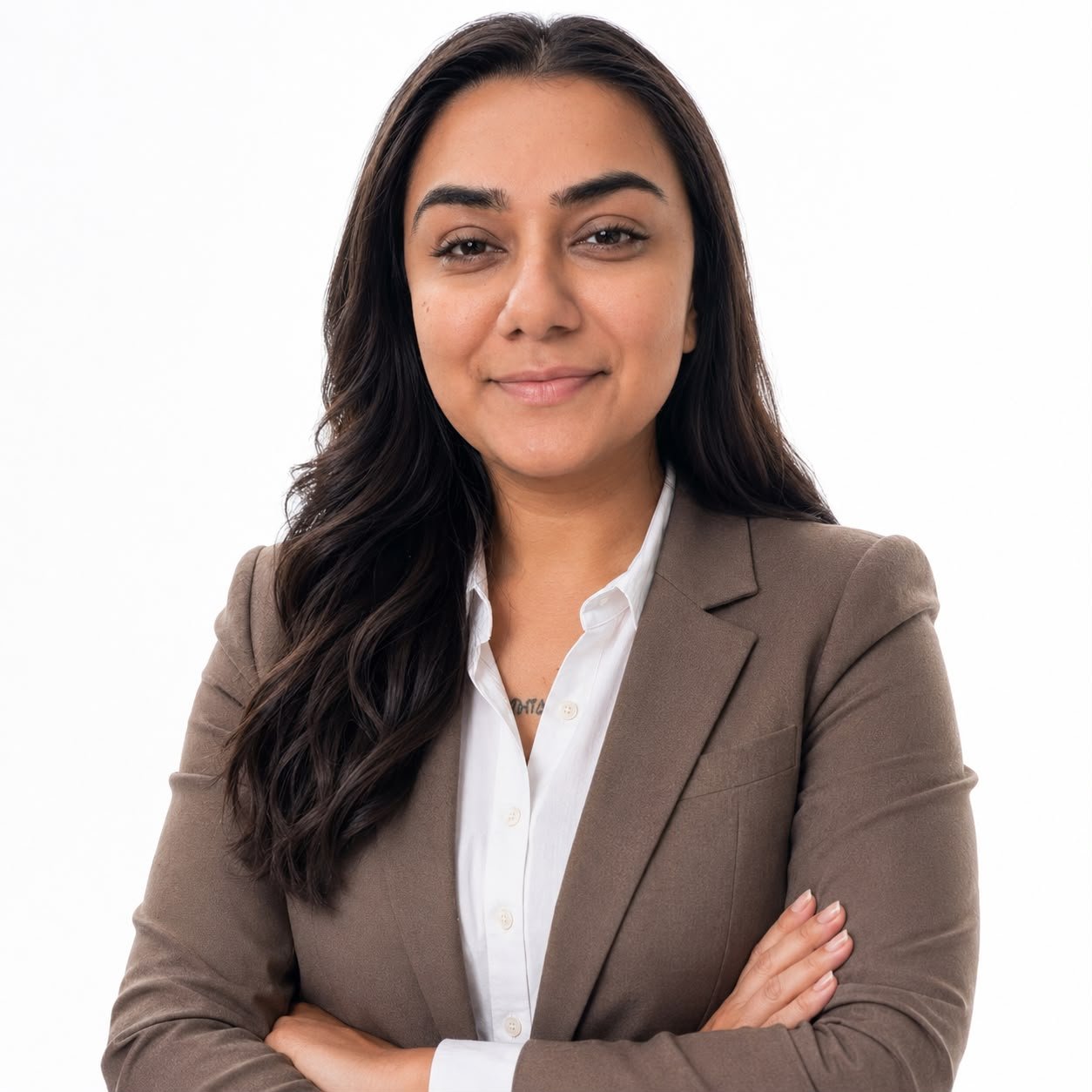
I am a DHA licensed occupational therapist and certified sensory integration therapist. I work with children on the skills that daily life quietly asks for: getting dressed, holding a pencil, sitting through a lesson, joining a game, tolerating a haircut.
About
Children rarely tell you what is hard. They show you, usually at the worst possible moment.
A child who melts down at the school gate, refuses every texture on the plate, or cannot stay in a chair is not being difficult. Something in how they take in and organise sensation is making the task harder than it looks. My job is to find out what, and to make the task possible.
I have spent nine years in clinical practice working with children with sensory processing differences, developmental delays, autism spectrum disorder, ADHD and other neurodevelopmental conditions. My approach is child centred and evidence based. Sessions look like play because play is how children practise. Underneath, every activity is chosen for a reason.
Parents are part of the work, not an audience for it. What we build in a session only holds if it travels home, to the classroom and to the supermarket aisle. So I spend as much time coaching families and talking to teachers as I do on the therapy floor.
The signature of the work
Three of them do most of the invisible work, and they are usually where the difficulty sits. Select one to see what it looks like when it is not running smoothly.
Loading.
What I help with
Every child is assessed individually. These are the areas where occupational therapy tends to make the clearest difference.
Children who seek movement constantly, or who avoid noise, textures, grooming and food. Work focuses on helping the nervous system organise input so the child can stay regulated and available for learning.
Grasp, hand strength, in-hand manipulation, scissor skills, letter formation, endurance for written work. The goal is a hand that can keep up with a thinking child.
Balance, postural control, bilateral coordination, motor planning. For children who trip, fatigue quickly, avoid the playground, or cannot learn a new movement sequence.
Dressing, feeding, toileting, sleep routines, self-care. ADL training builds the independence that changes a family's morning.
Sitting tolerance, transitions, following routines, joining peers. Often for children with ADHD or autism spectrum disorder where participation, not ability, is the barrier.
Early intervention for children not meeting motor or play milestones, including neurodevelopmental treatment for postural and movement quality.
How it works
Nothing is prescribed before the child has been watched closely. This is the sequence, and the order matters.
Standardised assessment, clinical observation and a long conversation with you about what a hard day actually looks like.
Functional goals written in plain language, agreed with you. Not a list of exercises, a list of things your child will be able to do.
One to one sessions, plus strategies you can run at home and share with the school so the work does not stop at the door.
Regular reassessment against the goals. If something is not moving, the plan changes.
In practice


Get in touch
If you are wondering whether occupational therapy is the right step for your child, send me a short note. I will reply personally and tell you honestly if I am not the right person.
Email: contact@poojabalsara.com